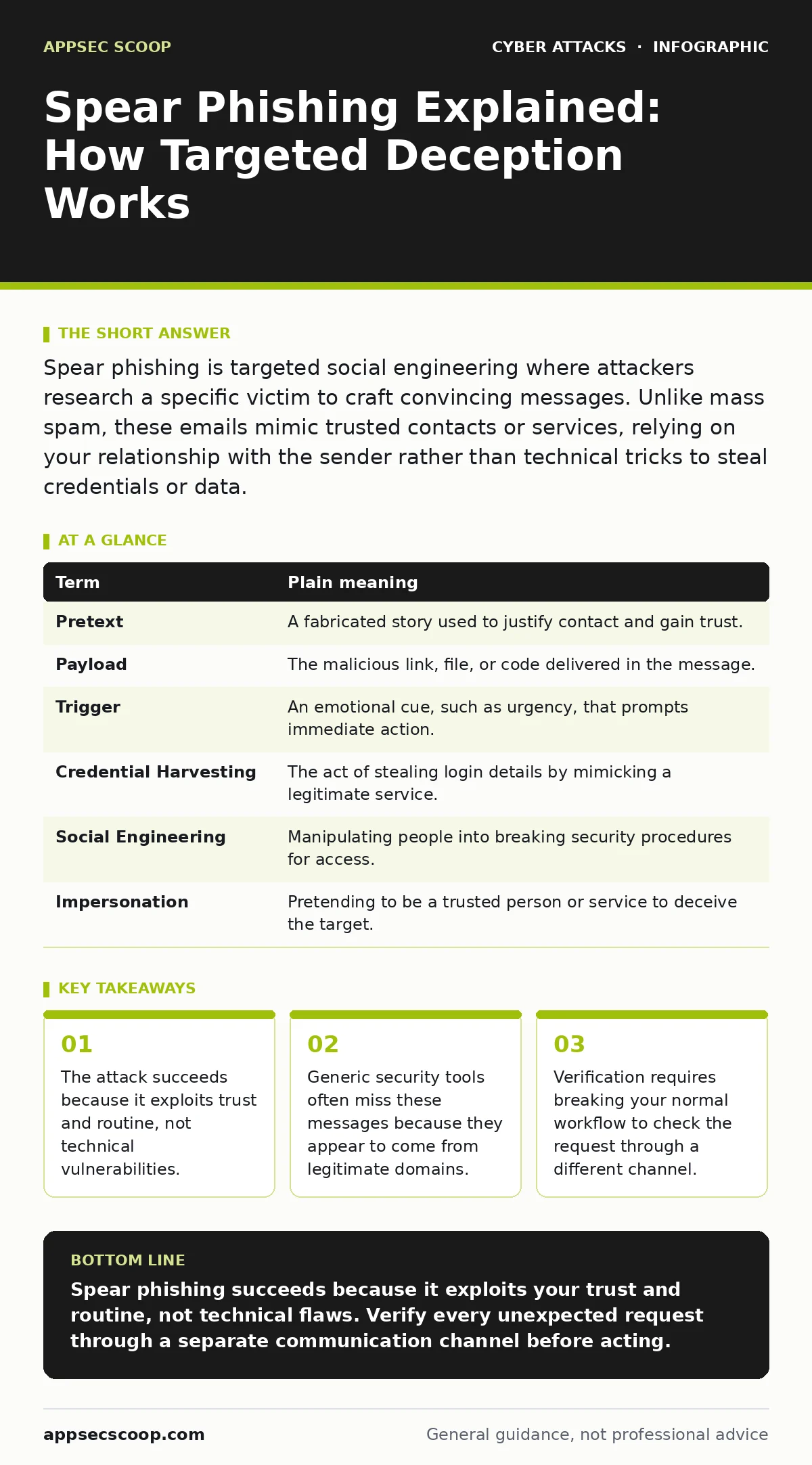
Spear phishing is targeted social engineering where attackers research a specific victim to craft convincing messages. Unlike mass spam, these emails mimic trusted contacts or services, relying on your relationship with the sender rather than technical tricks to steal credentials or data.
The Tailored Invitation
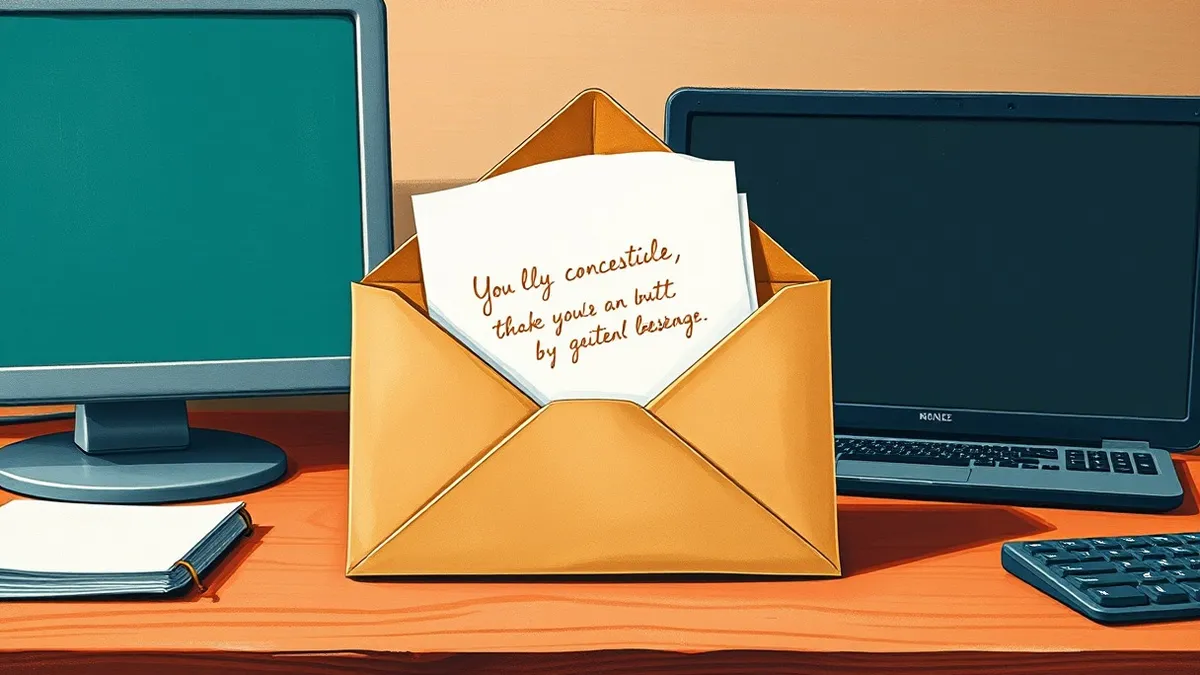
Imagine receiving an invitation to a private dinner. The envelope bears your name, the handwriting looks familiar, and the venue is a place you frequent. You assume it is from a friend. In reality, a stranger studied your social media, copied a font, and forged the letter. This is the core mechanism of spear phishing. It differs from standard spam because it is not a net cast wide; it is a single, carefully placed hook.
The attacker does not guess your password. They guess your habits. They know you check your email during lunch. They know your manager’s name. They know which vendor you use for software. This preparation turns a generic trick into a plausible request. You are not being attacked by a computer script. You are being manipulated by a human who has done their homework.
Anatomy of the Deception
Spear phishing relies on three main components. First is the pretext, which is the fabricated scenario that justifies the contact. Second is the payload, which is the harmful link or attachment. Third is the trigger, which is the emotional cue that prompts immediate action. Urgency is the most common trigger. Fear of missing a deadline or concern for a colleague’s safety bypasses your critical thinking.
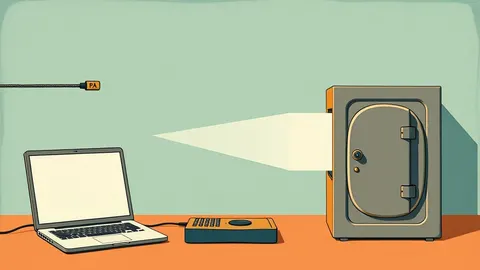
Consider how endpoint protection software operates. It scans for known malware signatures. If the attacker uses a clean document that asks you to log in to a fake portal, the protection software sees no virus. The threat is not in the code; it is in your compliance. The system cannot stop you from typing your password into a convincing replica of your company’s login page.
| Term | Plain meaning |
|---|---|
| Pretext | A fabricated story used to justify contact and gain trust. |
| Payload | The malicious link, file, or code delivered in the message. |
| Trigger | An emotional cue, such as urgency, that prompts immediate action. |
| Credential Harvesting | The act of stealing login details by mimicking a legitimate service. |
| Social Engineering | Manipulating people into breaking security procedures for access. |
| Impersonation | Pretending to be a trusted person or service to deceive the target. |
The Cost of Trust
The greatest weakness in any security posture is the assumption that context is correct. If an email arrives from your finance director asking for an invoice, you assume the context is real. You do not verify the sender’s identity because doing so feels rude or inefficient. This friction is what attackers exploit. They do not need to hack your server. They need you to do the work for them.
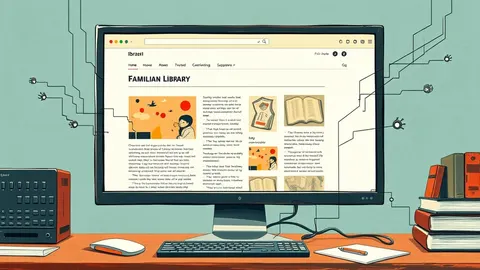
This approach often overlaps with watering hole attacks, where attackers compromise sites you already visit. In spear phishing, the attacker brings the compromised site to you. They send a link to a page that looks exactly like your banking portal or internal wiki. The domain name might be slightly different, but the visual identity is perfect. Your brain recognises the logo and the layout. It does not check the URL bar with the same scrutiny.
Hidden Costs and Blind Spots
There is a hidden cost to defending against this. The more you verify, the slower your work becomes. If you call every sender to confirm requests, your productivity drops. Attackers count on this trade-off. They know most people will not disrupt their day to verify a routine request. This is why cyber hygiene focuses on creating simple, low-friction verification methods. You need a way to check that does not stop your workflow.
Another blind spot is the reliance on technical indicators. Many users check the sender’s email address. However, attackers can spoof this address so it appears correct. The email header may show the real domain, even if the attacker sent it from a different server. This is why visual inspection of the email client is insufficient. You must look at the raw headers or use a separate communication channel.
Simple Safety Habits
You can reduce risk without slowing down significantly. The goal is to introduce a single point of failure for the attacker: your verification step. This does not mean you need to be paranoid. It means you need a routine. When a request involves money, data, or access, pause. Do not reply. Do not click. Use a different method to contact the person. If the email says your boss needs a gift card, call your boss on the office phone.
This principle applies even to malicious email attachments. If you receive a PDF from a known vendor, check the file size and extension. But more importantly, check the context. Did you expect this file? If not, delete it. Do not open it to check. The mere act of opening can trigger scripts in modern office applications.
- Verify out-of-band: Contact the sender using a method different from the one used in the request. If the request came via email, call or message them.
- Check the URL: Hover over links without clicking. Look for subtle differences in the domain name. Typosquatting is common, where attackers register domains that look similar to real ones.
- Disable auto-execution: Ensure your software does not automatically run macros or scripts in documents. This prevents silent infections from HTML smuggling techniques, where malicious code is hidden inside seemingly innocent web content.
See also: Watering Hole Attacks: How Compromise Happens and How to Detect It
Beyond Basic Defences
As attackers adapt, they use more sophisticated methods. Callback phishing involves the attacker calling you to verify a fake request, adding a layer of realism. They may even use voice cloning technology to mimic a colleague’s tone. This makes voice verification less reliable. You must ask questions that only the real person would know, such as the name of a recent project or a specific internal code.
Tabletop exercises can help teams prepare for these scenarios. By simulating a breach, you practice the decision-making process under pressure. You learn to recognise the signs of manipulation without relying on memory. This preparation is vital because the stakes are high. A single successful spear phishing attempt can lead to full network access.
Key takeaways
- The attack succeeds because it exploits trust and routine, not technical vulnerabilities.
- Generic security tools often miss these messages because they appear to come from legitimate domains.
- Verification requires breaking your normal workflow to check the request through a different channel.
Spear phishing succeeds because it exploits your trust and routine, not technical flaws. Verify every unexpected request through a separate communication channel before acting.
Frequently asked questions
How do I know if an email is spoofed?
You cannot reliably tell by looking at the sender name. Check the raw email headers or verify the request through a different channel, such as a phone call.
Can antivirus software stop spear phishing?
Antivirus software detects known malware, but spear phishing often uses clean links to fake websites. It cannot stop you from voluntarily entering your credentials.
What is the difference between spam and spear phishing?
Spam is sent to millions of people with generic content. Spear phishing
How this guide was produced: written by the AppSec Scoop editorial team with AI assistance, checked against the public references listed below, and reviewed when the facts change. See our editorial policy or report an error.