Key points
- CVE-2026-42023 affects Totolink X2000R firmware version TOTOLINK-X2000R-Gh-V1.0.0-B20250421.1327.
- The flaw carries a CVSS score of 9.1, rated as critical severity by the NVD.
- Attackers must be authenticated to exploit the static IPv6 configuration parameter.
Multiple stack-based buffer overflow vulnerabilities have been identified in the Totolink X2000R router firmware. These flaws allow for arbitrary code execution through the static network configuration interface.
What happened
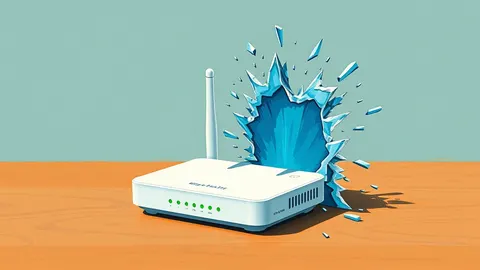
The National Vulnerability Database records CVE-2026-42023 as affecting the Totolink X2000R device running firmware version TOTOLINK-X2000R-Gh-V1.0.0-B20250421.1327. The issue stems from multiple stack-based buffer overflows within the boa formIpv6Setup functionality. This component handles static network configuration tasks on the device. The specific vulnerability concerns the handling of the static_ipv6 parameter.
An attacker can trigger these vulnerabilities by sending a specially crafted HTTP request. The National Vulnerability Database notes that the attacker must first make an authenticated HTTP request. Successful exploitation leads to arbitrary code execution on the affected router. The weakness is classified under CWE-121, indicating stack-based buffer overflow issues.
Why it matters
The National Vulnerability Database assigns a CVSS score of 9.1 to this vulnerability. This rating places the flaw in the critical severity category. Remote code execution allows an attacker to run arbitrary commands on the device. Such access can compromise the confidentiality and integrity of network traffic. The requirement for authentication limits immediate unauthenticated exploitation. However, compromised credentials could still enable abuse of this vector.
The specific firmware version TOTOLINK-X2000R-Gh-V1.0.0-B20250421.1327 is explicitly affected. Organisations using this hardware must verify their current firmware status. The presence of multiple buffer overflows suggests significant underlying code quality issues. These flaws could potentially be chained for broader impact within the network.
What happens next
No patch or update has been confirmed by the vendor for this vulnerability. Users should check their current firmware version against the affected string. Monitor official channels for any security advisories or firmware releases. Consider isolating affected devices from sensitive network segments. Review authentication logs for any unusual HTTP request patterns.
Patch priority
Teams should prioritise updating systems with the highest external exposure first. Identify all instances of the affected Totolink X2000R firmware across the estate. Validate the fix in a controlled environment before broad deployment. Create full device backups prior to applying any firmware changes. Ensure rollback procedures are tested and documented. If no fix exists, restrict administrative access to trusted networks only.
Background: Remote code execution vulnerabilities
Remote code execution often occurs because developers trust user input without validation, fail to restrict file permissions, or neglect to update dependencies. Fix these errors by enforcing strict input sanitisation, applying least-privilege principles, and integrating automated security checks into your secure software development lifecycle to prevent arbitrary command execution.
Read the full guide: Seven Configuration Mistakes That Allow Remote Code Execution
What to do and how to stay safe: Totolink
- Verify the firmware version on all Totolink X2000R devices in your inventory.
- Restrict administrative access to the router management interface to trusted IPs.
- Monitor logs for unusual authenticated HTTP requests targeting IPv6 configuration.
- Isolate affected devices from critical network segments until a fix is available.
Step-by-step guide: Patch Management: Definition, Purpose and Operational Reality
General security guidance from the AppSec Scoop newsroom. It is not confirmed advice from the organisations named in this story.
Frequently asked questions
Which Totolink router model is affected by CVE-2026-42023?
The Totolink X2000R router is affected by this vulnerability.
Is a patch available for this critical vulnerability?
No patch or update has been confirmed by the vendor yet.
What is the CVSS score for CVE-2026-42023?
The National Vulnerability Database rates the CVSS score as 9.1.