Key points
- Abdulrahman Alfozan was arrested on 9 October for allegedly hiding a recording device in an executive conference room.
- OpenAI reports that no sensitive technical or commercial data was accessed or exfiltrated by the individual.
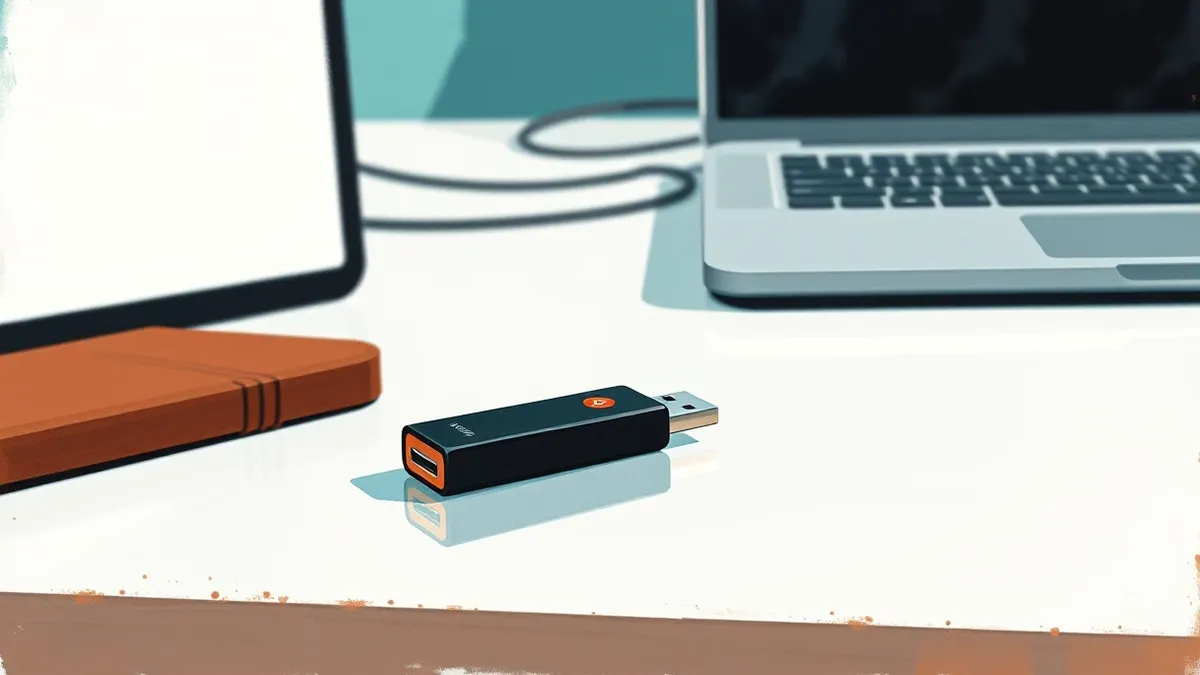
- The device was concealed in toilet paper and plugged into a television USB port, with encrypted contents.
OpenAI has confirmed that no proprietary data was stolen after an engineer was arrested for planting a covert audio recorder in an executive meeting room. The Department of Justice charged Abdulrahman Alfozan with using a device to intercept oral communications.
What happened
According to the Department of Justice, Abdulrahman Alfozan, a 35-year-old Saudi national, was arrested on 9 October for allegedly installing a surreptitious audio recording device. He is charged with using or endeavouring to use an electronic device to intercept oral communications.
View the original post on X
View the original post on X
OpenAI personnel discovered the device on or about 30 September, plugged into a USB port on the back of a television in an executive conference room. The company stated that the device, concealed in toilet paper, had been installed on or about 28 September and contained encrypted data.
The Department of Justice said that closed-circuit television footage showed Alfozan near the executive conference room on multiple dates prior to the discovery, despite having no authority to access the space. Meetings in that room frequently involved highly confidential technical, commercial and strategic information.
OpenAI stated that it used its AI models to understand the device and identify the specific employee who planted it. The company referred the matter to the Federal Bureau of Investigation, which moved quickly to make the arrest.
Why it matters
OpenAI stated that it has no indications that Alfozan inappropriately accessed or exfiltrated model weights, source code or customer data. The employee was terminated following the discovery of the device.
The Department of Justice described the incident as a national security matter, highlighting efforts to protect American innovation from foreign threats. FBI Director Kash Patel said that protecting super intelligence innovation is essential for safeguarding national economic strength.
According to the complaint, Alfozan had used productivity tools to inquire about building addresses, meeting room capacities and leadership locations prior to the incident. A chatbot account associated with his spouse also submitted prompts related to building and customising audio recording devices.
What happens next
- Review physical access logs for executive conference rooms and restricted areas to identify unauthorised presence.
- Audit USB ports on shared display equipment and conference room hardware for unknown or concealed devices.
- Verify that all recording equipment in meeting spaces is accounted for and authorised by facility management.
- Monitor internal communication channels for queries related to building layouts or sensitive meeting schedules.
Patch priority
Security operations teams should treat this incident as a physical intrusion event rather than a software vulnerability requiring patching. There is no software update to deploy. Instead, focus on physical security controls. Check whether conference room equipment has been tampered with, particularly USB ports and power connections. Verify that access badges for executive areas are strictly enforced and that visitor logs are accurate. Ensure that cleaning and maintenance staff are vetted and supervised when working in sensitive areas. Review CCTV coverage to ensure blind spots around executive meeting rooms are eliminated.
What to do and how to stay safe: OpenAI
- Conduct a physical inspection of all executive conference rooms, checking for unauthorised devices plugged into USB ports or hidden in furniture.
- Review access logs for restricted areas to identify any employees who entered spaces outside their normal duties or authorised hours.
- Verify that all recording devices in meeting rooms are company-owned, authorised and free from unauthorised modifications or concealed components.
- Monitor internal helpdesk tickets and chatbot queries for unusual requests related to building layouts, meeting schedules or electronic device assembly.
Step-by-step guide: Seven Social Engineering Mistakes That Leave Your Defences Open
General security guidance from the AppSec Scoop newsroom. It is not confirmed advice from the organisations named in this story.
Frequently asked questions
Was any data stolen from OpenAI?
OpenAI stated that there are no indications that model weights, source code or customer data were accessed or exfiltrated by the employee.
Who was arrested in connection with the incident?
Abdulrahman Alfozan, a 35-year-old Saudi national and OpenAI engineer, was arrested on 9 October and charged with intercepting oral communications.
How was the recording device discovered?
OpenAI personnel found the device plugged into a television USB port in an executive conference room on or about 30 September.