Key points
- The flaw is a stack-based buffer overflow in the Mcli function of the X2000R.
- Attackers require valid credentials to send the crafted HTTP request that triggers the bug.
- The vulnerability is rated critical with a CVSS score of 9.1 by the National Vulnerability Database.
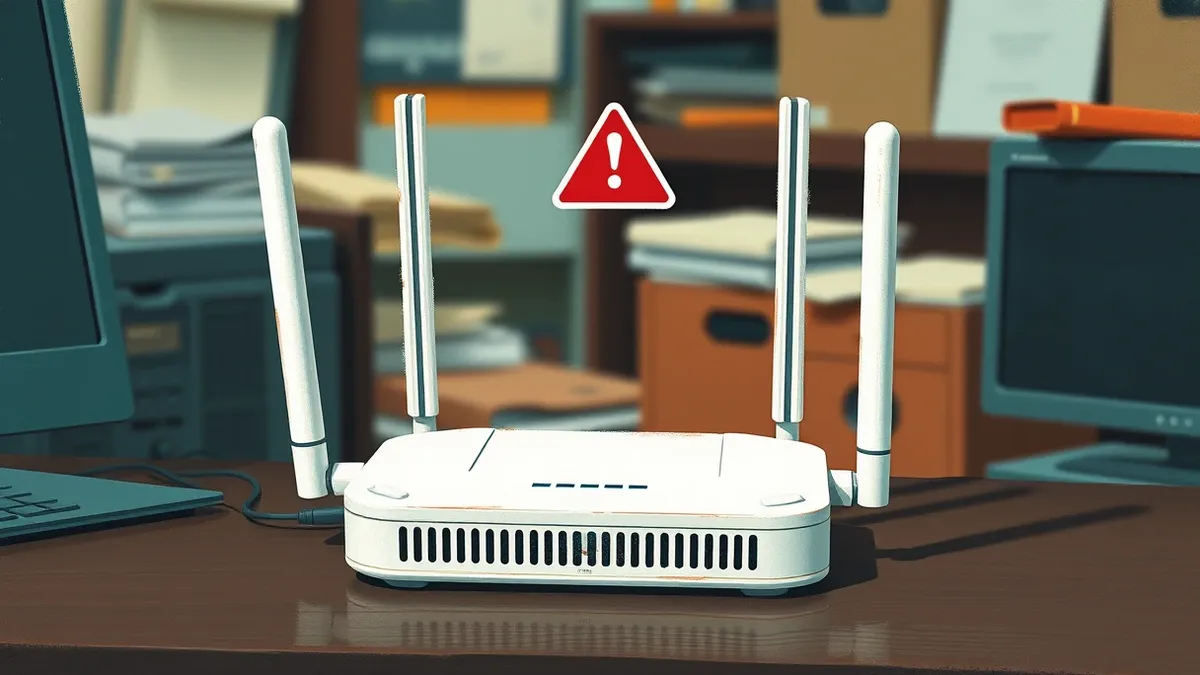
A critical security flaw has been identified in the firmware of the Totolink X2000R router. The issue allows an authenticated attacker to execute arbitrary code on the device by sending a specially crafted HTTP request to the Mcli functionality.
What happened
The National Vulnerability Database lists CVE-2026-10139 as a critical vulnerability with a CVSS score of 9.1. The flaw is a stack-based buffer overflow, categorised under CWE-121, located within the Mcli component of the router’s software. It affects the specific firmware version TOTOLINK-X2000R-Gh-V1.0.0-B20250421.1327.
An attacker must first obtain valid authentication credentials for the device. Once logged in, they can trigger the buffer overflow by submitting a specially crafted HTTP request. This action leads to arbitrary code execution on the affected system, according to the NVD record.
Why it matters
This vulnerability grants a significant level of control to any user who can access the administrative interface. The requirement for authentication limits the immediate attack surface compared to unauthenticated flaws. However, it means that any compromise of admin credentials or weak password policies directly exposes the device to this critical risk.
Security operations teams managing these devices should treat any exposed admin interface as a high-risk entry point. The stack-based nature of the overflow suggests that memory corruption is possible, which typically leads to full system control if exploited successfully.
What happens next
- Verify if any X2000R devices in your environment are running the affected firmware version.
- Enforce strict access controls and strong passwords for all router administrative accounts immediately.
- Monitor network logs for unusual HTTP traffic originating from or destined to these devices.
- Await a firmware update from Totolink that addresses CVE-2026-10139 before restoring full external access.
Patch priority
Organisations should prioritise systems that are directly accessible via the internet or large internal networks. Teams usually isolate critical infrastructure devices to limit exposure while a fix is pending. Check whether the device can be moved to a segregated network segment to reduce the attack surface. Back up current configurations before making any changes to ensure recovery is possible. Verify that administrative accounts use complex, unique passwords to raise the barrier for initial access.
What to do and how to stay safe: Totolink
- Audit all Totolink X2000R devices to confirm they are not running the vulnerable firmware version.
- Restrict access to the web management interface to trusted internal networks only.
- Implement multi-factor authentication for administrative accounts if the device firmware supports it.
- Monitor for signs of unauthorised command execution or unexpected outbound connections from the device.
Step-by-step guide: Patch Management: Definition, Purpose and Operational Reality
General security guidance from the AppSec Scoop newsroom. It is not confirmed advice from the organisations named in this story.
Frequently asked questions
Does this vulnerability allow unauthenticated remote code execution?
No, the NVD record states that an attacker must make an authenticated HTTP request to trigger the vulnerability.
Which specific firmware version is affected by CVE-2026-10139?
The vulnerability affects the firmware version TOTOLINK-X2000R-Gh-V1.0.0-B20250421.1327.
Is there a patch available for this vulnerability?
No, the source material does not indicate that a fix or update has been released yet.